


Marine Safety Equipment for Prepared Boaters
Choose marine safety equipment around your vessel, operating area, passenger count, and the emergencies you must be ready to manage. Start with legally required gear, then add equipment suited to offshore distance, weather exposure, nighttime operation, and crew experience.
Build a Practical Safety Plan
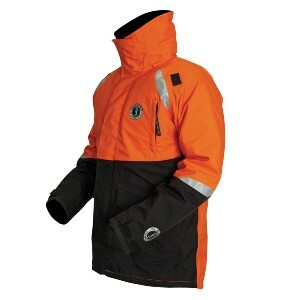
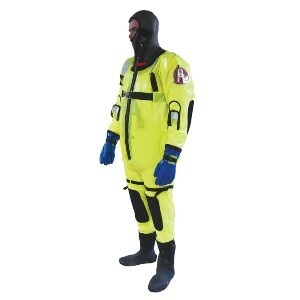
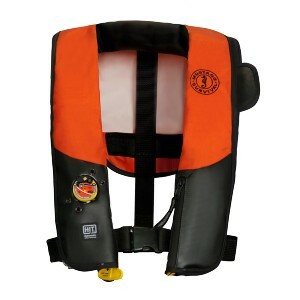
- Flotation: Match wearable and throwable devices to each passenger, activity, size, and boating environment.
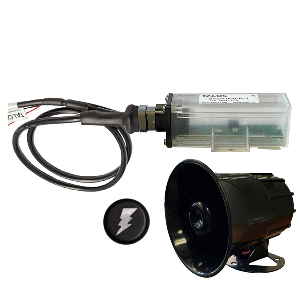
- Distress signaling: Review visual, audible, and electronic signaling options before every trip.
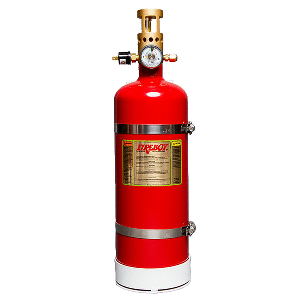
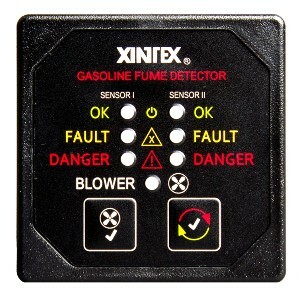
- Fire and fume protection: Select equipment for the vessel's fuel, engine, electrical, and enclosed-space risks.
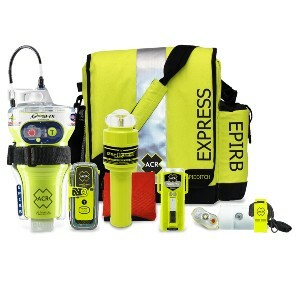
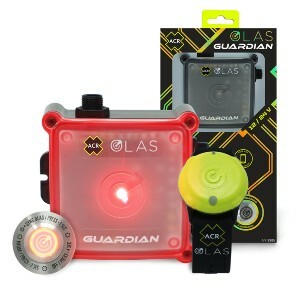
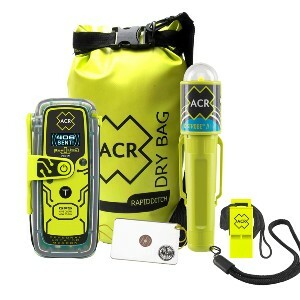
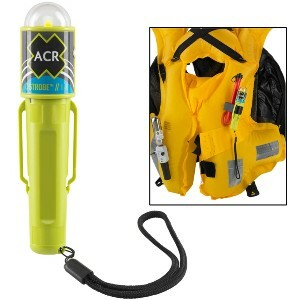
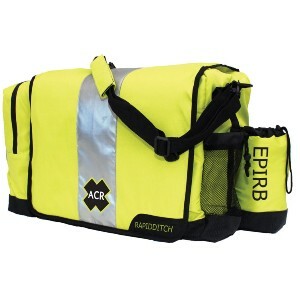
- Location and recovery: Consider EPIRBs, personal locator beacons, man-overboard devices, and safety lights for faster detection and rescue.
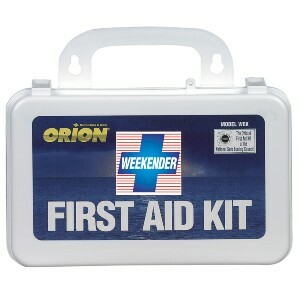
- Medical readiness: Carry a marine-ready kit appropriate for trip length, crew, and distance from help.
Shop Marine Safety by Need
Explore personal flotation devices, EPIRBs, personal locator beacons, man-overboard devices, fire suppression, fume detectors, safety lights, and medical kits.
Before You Buy
Verify applicable carriage requirements with the U.S. Coast Guard and local authorities. Confirm device approval, sizing, battery or service dates, mounting location, registration requirements, inspection intervals, and compatibility with your boat and intended waters. Safety equipment must remain accessible, maintained, and understood by the people aboard.
Complete your plan with reliable marine communication, marine lighting, electrical equipment, and navigation instruments.
Marine Safety Questions
What safety equipment does my boat need? Requirements vary by vessel, location, passenger count, and activity. Begin with current legal requirements, then add risk-based equipment for your route and conditions.
When should safety gear be replaced? Follow the manufacturer's inspection, battery, service, and expiration guidance. Replace damaged, recalled, expired, or unreliable equipment immediately.