


Marine Plumbing & Ventilation for Reliable Onboard Systems
Marine plumbing and ventilation systems move water, waste, coolant, and air through demanding spaces. Choose every pump, hose, fitting, valve, vent, and electrical connection for the fluid or airflow, operating temperature, pressure, voltage, location, and installation environment.
Plan by System and Risk
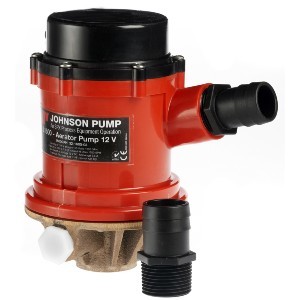
- Bilge and drainage: Match pump capacity, discharge routing, wiring, alarms, and backup strategy to the vessel; no pump replaces hull integrity or regular inspection.
- Fresh water and washdown: Confirm flow, pressure, duty cycle, tank connection, filtration, and potable-water suitability.
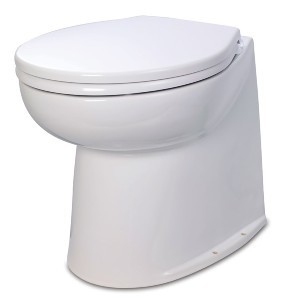
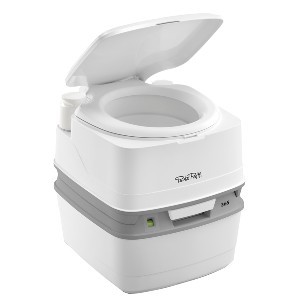
- Sanitation: Use compatible hose, fittings, venting, treatment, and holding components designed for the applicable system.
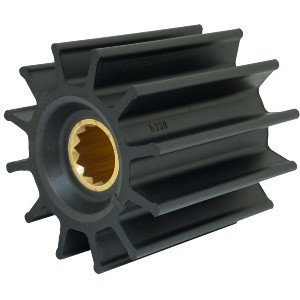
- Engine cooling: Match pumps, impellers, strainers, and hose to the exact engine or generator model and service requirements.
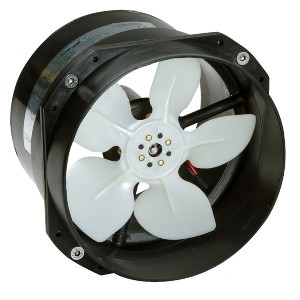
- Ventilation: Size blowers, ducting, fans, and vents for the compartment, heat load, moisture, and ignition-protection requirements.
Shop Marine Plumbing by Function
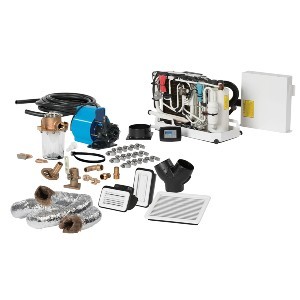
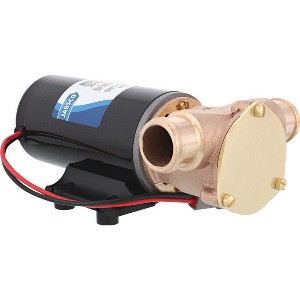
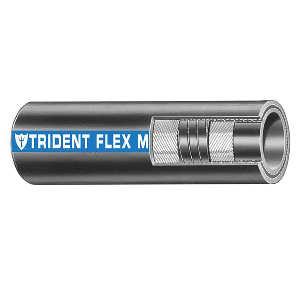
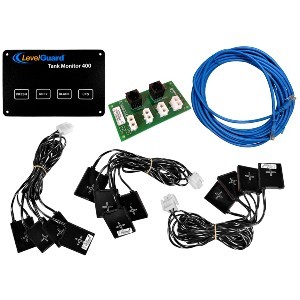
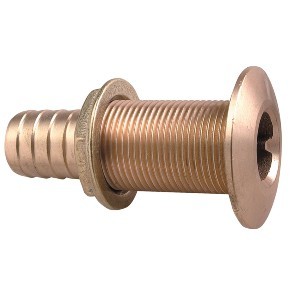
Find bilge pumps, washdown and pressure pumps, engine cooling pumps, livewell pumps, marine sanitation equipment, marine hose, fittings, strainers and baskets, thru-hull fittings, blowers and heaters, and marine fans.
Compatibility and Installation Checks
Verify inlet and outlet size, thread standard, hose inside diameter, material compatibility, flow and pressure, lift or head, duty cycle, fuse and wire requirements, mounting orientation, service access, and whether ignition protection is required. Below-waterline penetrations, fuel-space equipment, sanitation, and engine-cooling work deserve professional review when the installation is not fully understood.
Coordinate pumps and blowers with marine electrical systems, mounting and thru-hull work with marine hardware, and emergency readiness with marine safety equipment.
Marine Plumbing Questions
How do I choose a replacement pump? Match the original application, voltage, flow, pressure or head, port size, duty cycle, mounting, current draw, and environmental rating—not only the physical appearance.
Can household plumbing parts be used on a boat? Many are unsuitable for vibration, corrosion, temperature, sanitation, ignition, or below-waterline service. Use components rated for the exact marine application.